

Coming soon!
A full tool for users where you will be able to:
- Save your favorite spots
- Add new spots
- Create your own profile
- Have a custom dashboard
- Connect with friends
- Exclusive deals on gear, plus member-only emails with special discounts
Location & Spot Selection
Choosing the right spot makes every wind or water sports session unforgettable. Here’s what to consider:
- Kitesurfing: Steady side-onshore winds (10–35+ knots), open water, safe launch zones.
- Windsurfing: Wide beaches, consistent wind; cross-onshore winds are ideal.
- Surfing: Waves, tides, and beach breaks. Wind direction affects wave quality.
- SUP (Stand-Up Paddleboarding): Flat water or gentle waves, avoid high-traffic zones.
Modern gear allows kitesurfing in winds as low as 5 knots, while 7–8 knots is ideal for jumps and tricks. Always bring essential safety gear: helmet, impact vest, leash, and wetsuit if required.
- Check wind, tides, and weather before heading out.
- Avoid obstacles like rocks, piers, boats, and swimmers.
- Keep distance from other riders and take turns.
- Leave the beach clean and respect local rules.
- Beginners should kite/wind/surf with an instructor or buddy.
Respect the environment, respect other riders, and enjoy your session safely!
Tricks, Tips & Technique
Wind & Water Awareness
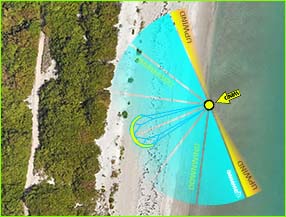
- Kitesurfing: Cross-shore and cross-onshore winds are safest. Offshore only with safety measures.
- Windsurfing: Check gusts and steady winds. Use small boards for strong wind, large boards for beginners.
- Surfing: Observe tides, wave height, rip currents, and swell direction.
- SUP: Be mindful of currents, wind, and water traffic.
Kite & Equipment Setup
- Lay out your kite fully to prevent twisting and improve performance.
- Inspect lines, bar, harness, and safety systems before each session.
- Check board, fins, or sail for damage.
Extra Tips for All Riders
- Start small in unfamiliar conditions.
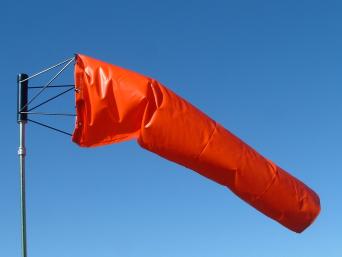
- Learn to read wind patterns, ripples, and flags.
- Maintain a safe distance from other riders and obstacles.
- Gradually progress with new tricks or maneuvers.
Safety, preparation, and observation improve performance across all wind and water sports.
Instructional Video: Trainer Kite Basics
Quick Gear Checklist
- Kitesurfing: Kite, lines, bar, harness, board, helmet, impact vest.
- Windsurfing: Board, sail, boom, mast, wetsuit, helmet.
- Surfing: Board, leash, wetsuit, wax, helmet (optional).
- SUP: Board, paddle, leash, PFD, wetsuit if cold.
Learning from Nature
Before technology, sailors and wind-riders predicted weather by observing clouds, wind patterns, and water behavior. Even today, reading nature improves your session: watch clouds, gusts, water ripples, tides, and currents.
Basic Types of Wind & Action Sports
Windsurfing
Windsurfing uses a board with a sail attached by a universal joint, allowing the rider to control direction, speed, and balance using both wind power and body movement.
- Requires precise sail trim, stance adjustment, and foot positioning.
- Best conditions include steady wind, minimal gust spread, and sufficient fetch.
- Board volume and fin size vary depending on wind strength and rider weight.
- Disciplines include freeride, slalom, wave, freestyle, and racing.
- Highly sensitive to wind shifts and water state, rewarding technical skill.
Wing Foiling (Wingsurfing)
Wing foiling combines a hand-held inflatable wing with a hydrofoil board, allowing riders to lift above the water surface and reduce drag significantly.
- Requires balanced wind strength to generate lift without overpowering.
- Foil size and aspect ratio determine low-end lift and top-end control.
- Highly efficient in lighter wind compared to traditional windsurfing.
- Commonly practiced on flat water, open ocean, and large lakes.
- Growing crossover sport with surf foiling and downwind disciplines.
Kite Landboarding
Kite landboarding applies traction kiting principles on land using a wheeled board, transforming wind power into speed and maneuverability on solid surfaces.
- Common surfaces include beaches, grass fields, salt flats, and deserts.
- Requires consistent wind and obstacle-free riding areas.
- Board trucks, wheel hardness, and tire pressure affect control.
- Strong emphasis on edge control and kite depower management.
- High speeds possible, making protective gear essential.
Snowkiting
Snowkiting uses wind power from a kite to pull riders on skis or a snowboard across snow-covered terrain, enabling long-distance travel and elevation gain.
- Works on frozen lakes, open fields, and mountain terrain.
- Allows uphill riding using wind angles and edging technique.
- Cold weather equipment and avalanche awareness may be required.
- Snow conditions directly affect glide efficiency and control.
- Popular for exploration and endurance riding in winter environments.
Land Sailing / Land Yachting
Land sailing, also known as land yachting, uses a sail mounted on a wheeled vehicle to harness wind power and achieve high speeds on dry surfaces.
- Vehicles are controlled by steering and sail trim, similar to water sailing.
- Best suited for flat, hard-packed surfaces like dry lakes and beaches.
- Capable of reaching speeds well above true wind speed.
- Requires understanding of apparent wind and sailing angles.
- Often practiced as racing, endurance, or recreational sailing.
Wind, Tide & Condition Statistics Across Wind Sports
Wind sports performance is not defined by wind speed alone. Tide level, gust spread, wind direction, water state, and pressure stability all interact to determine whether conditions are safe, efficient, or ideal for each discipline. Understanding how these variables combine is essential for planning successful sessions across different environments.
Wind Strength & Gust Behavior
Average wind speed sets the baseline, but gust range defines real-world rideability. Sports that rely on continuous pull, such as windsurfing and land sailing, benefit from stable wind with low gust spread. Kite-based sports tolerate wider gust ranges due to depower systems, but excessive gusts increase fatigue and risk.
- Low gust spread improves control, efficiency, and endurance.
- Strong gusts increase lift potential but reduce predictability.
- Consistent wind direction is often more important than peak speed.
Tide Level: High, Low & Moving Water
Tide affects depth, current strength, wave shape, and launch accessibility. Rising and falling tides introduce water movement that can either enhance or disrupt riding conditions. In shallow areas, low tide may expose hazards, while high tide can improve water flow and wave formation.
- High tide often favors wave riding and foiling due to increased depth.
- Low tide can improve flat-water speed but may expose obstacles.
- Moving tides generate currents that influence upwind ability and drift.
Water State: Flat, Chop & Waves
Water surface conditions play a critical role in energy transfer and control. Flat water maximizes speed and efficiency, while chop increases physical demand. Waves introduce timing, positioning, and directional challenges that reward experience.
- Flat water favors racing, freestyle, and speed disciplines.
- Choppy conditions amplify gust impact and rider fatigue.
- Wave environments depend heavily on wind angle relative to swell.
Wind Direction & Geographic Influence
Wind direction relative to coastline and terrain determines turbulence, wind shadow zones, and safety margins. Side-onshore and cross-shore winds generally offer the best balance between performance and recovery options.
- Onshore winds increase safety but reduce wave quality.
- Offshore winds demand advanced skills and rescue planning.
- Terrain can amplify or disrupt wind flow through venturi effects.
Reading Combined Conditions
The best sessions occur when multiple factors align: stable wind, manageable gusts, favorable tide movement, and appropriate water state. Experienced riders evaluate trends rather than isolated data points, using forecasts and real-time observations to anticipate changes.
Mastery across wind sports comes from understanding how wind, water, and terrain interact not just from chasing higher wind numbers.
Posts and Pages
-
Why Do Sharks Attack Humans
After the recent deaths, some researchers are starting to wonder if certain sharks are... Read more...
-
Basics and Tips
Any location with consistent, steady side-onshore winds (10 to 35+ knots), large open... Read more...
-
News & Kiteboarding Updates
Catch the latest kiteboarding highlights, insane jumps, and gear updates from around the globe... Read more...
-
Facebook Updates
Keep up with site news, events, and kiteboarding action on our Facebook page. Visit Facebook
-
Instagram Highlights
Check out our new Instagram page! Soon we’ll be uploading user-submitted spots and the latest news. @sharkwindspot